Looking Back, Looking Forward: Reflections on Grown Unschoolers, Parenting, and What Comes Next
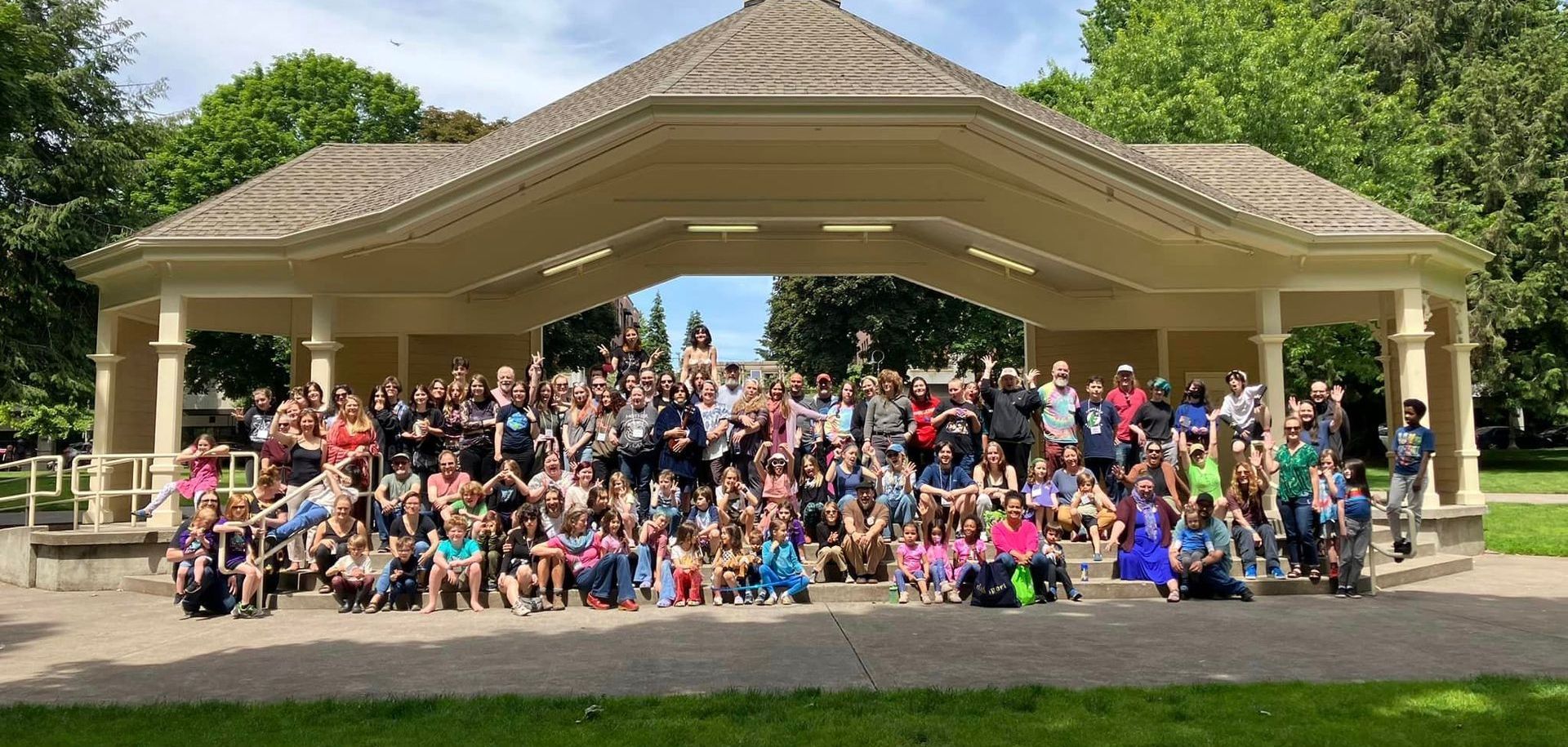
For years, I’ve watched children grow up inside the LIFE is Good community, kids who spent their days building forts in the hallways, staying up too late with friends, and discovering who they were in an environment that trusted them deeply. Now many of those same kids are adults. Some are parents. Some are stepping into the very role their own parents once held: deciding how to raise children in a world that doesn’t always understand freedom, autonomy, or self directed learning.
And as they step into that role, they’re doing something completely natural. They’re reflecting.
Every grown child, unschooled or schooled, eventually looks back and asks questions about how they were raised. It’s not a rejection. It’s not a crisis. It’s simply adulthood arriving with its own clarity.
As a long time conference host, I’ve come to see these reflections as a gift. They help us evolve our approach to unschooling without losing its heart.
Below are the themes I hear most often from grown unschoolers, paired with the solutions and strengths I believe our community is uniquely capable of offering.
1. “I loved the freedom, but sometimes I needed more support.”
What I’ve learned: Freedom and guidance can coexist beautifully
Many grown unschoolers describe their childhoods as expansive and joyful. But some also remember moments when they wished for a little more scaffolding, someone to help them break down big ideas, or to gently introduce new experiences they didn’t yet know to seek out.
This isn’t a flaw in unschooling. It’s a reminder that children thrive when adults stay present, curious, and engaged.
What we can do:
- Offer help without taking over
- Introduce new experiences without pressure
- Model follow‑through in our own lives
- Notice when a child is overwhelmed by too many choices
Unschooling works best when adults are companions, not spectators.
2. “I didn’t know what I didn’t know.”
What I’ve seen: Exposure is a form of love
Some grown unschoolers realized later in life that they missed opportunities simply because they didn’t know they existed. This is not unique to unschooling, every adult eventually discovers gaps in their education and upbringing.
But it’s a reminder that children benefit from a wide landscape of possibilities.
What we can do:
- Bring in mentors, friends, and community members with different passions
- Explore new environments together—museums, workshops, nature centers, maker spaces
- Strew their path with interesting ideas, objects, subjects, and experiences to discover on their own terms
- Create a culture where trying something once is celebrated
Exposure doesn’t diminish autonomy. It expands it.
3. “Community was everything, but it depended on my parents’ capacity.”
What I’ve witnessed: Community is the backbone of unschooling
The LIFE is Good community has always been a lifeline. But grown unschoolers often remember how fragile community could be when it rested on the shoulders of a few exhausted parents.
As a conference host, I’ve seen how powerful it is when families share the load.
What we can do:
- Build networks that don’t rely on one or two organizers
- Create multi‑age friendships that last beyond childhood
- Stay connected between conferences, both locally and online
Unschooling flourishes when community is a shared responsibility.
4. “Adulthood required skills I didn’t practice much as a kid.”
What I know: Real‑world skills grow best in real‑world contexts
Some grown unschoolers found the transition to college or structured work environments challenging, not because they lacked intelligence, but because they hadn’t practiced certain rhythms: deadlines, collaboration, navigating authority, or long‑term commitments.
But this is true for many traditionally schooled adults as well.
What we can do:
- Invite kids into real responsibilities at home and in the community
- Support long‑term projects that require planning and persistence
- Let children experience natural consequences in safe, supported ways
Unschooling doesn’t avoid structure. It lets structure emerge organically.
5. “I’m grateful for my childhood, and I want to refine it for my kids.”
What I believe: This is the natural evolution of any philosophy
This is the reflection I hear most often. Grown unschoolers aren’t turning away from their upbringing. They’re integrating it. They’re asking how to keep the magic while strengthening the parts that felt thin.
They want:
- the trust
- the freedom
- the creativity
- the connection
And they also want:
- more emotional support
- more consistent community
- more intentional exposure
- more parent‑child collaboration
This isn’t a contradiction. It’s growth. It’s the next chapter.
A Conference Host’s Perspective: This Is How Movements Mature
After years of hosting this gathering, I see these reflections not as warnings but as invitations.
Invitations to deepen our presence.
Invitations to strengthen our networks.
Invitations to evolve without abandoning what makes unschooling beautiful.
Every generation refines what the last one learned.
Every philosophy grows as the people inside it grow.
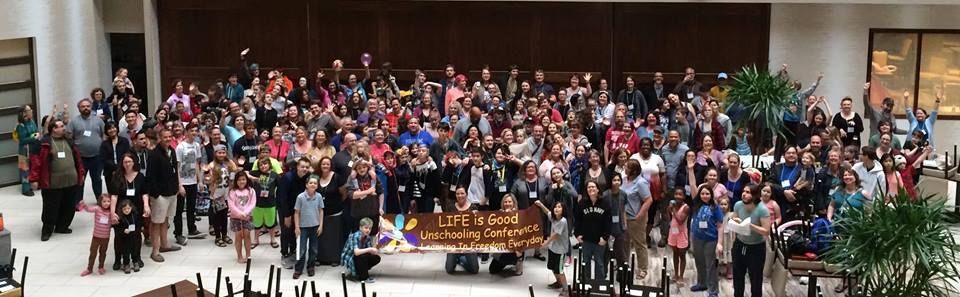
The LIFE is Good community has always been a place where families come together to imagine something better. And as we gather again this year, I feel more certain than ever that the heart of unschooling—trust, connection, curiosity—remains strong.
We’re not closing a chapter.
We’re handing it forward.
Recent Blogs